
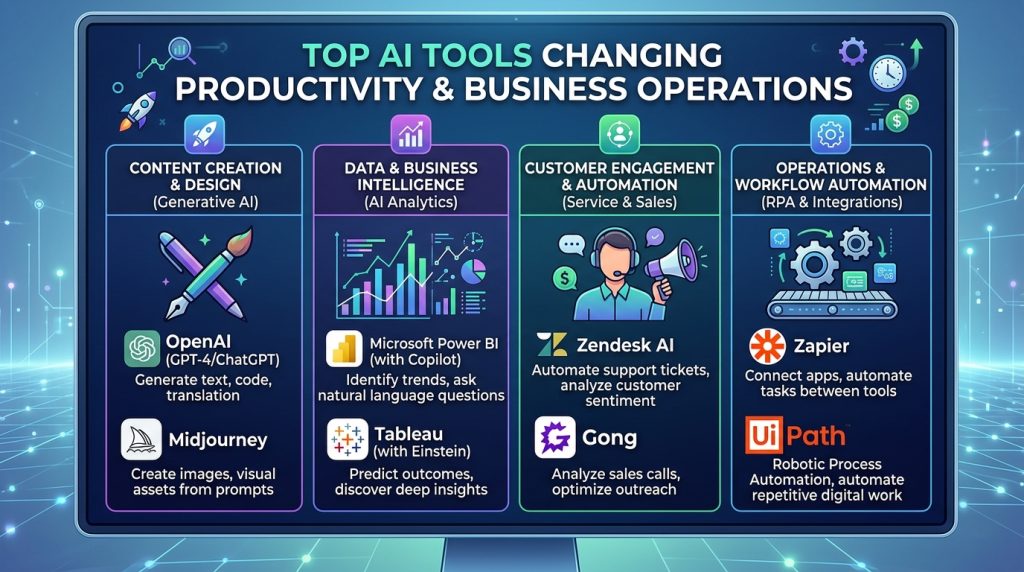
Somewhere in the last three years, the little chat bubble in the corner of every website quietly became the front desk. AI chatbots now answer the majority of first customer questions for many businesses — order status, opening hours, password resets — instantly, at 3 a.m., in forty languages. Done well, they are the best customer service upgrade of the decade. Done badly, they are a maze with a smiley face. Here is the honest map of what they handle well, what they should never touch, and how to deploy them without enraging the people they serve.
What Chatbots Genuinely Do Better Than Humans
Start with the strengths, because they are real. Speed: a bot answers in one second, and for simple questions, waiting is the entire complaint. Consistency: the bot gives the correct policy answer the ten-thousandth time, at the end of a long shift that it does not have. Scale: a sale, a storm or a product recall can multiply enquiries twenty-fold in an hour; bots absorb the surge that would drown any human team. And drudgery removal: the repetitive 60% of tickets — tracking numbers, reset links, store hours — bored your human agents into their worst work. Automating the boring is not replacing the humans; it is promoting them to the conversations that need one.
The Tasks That Belong to Bots
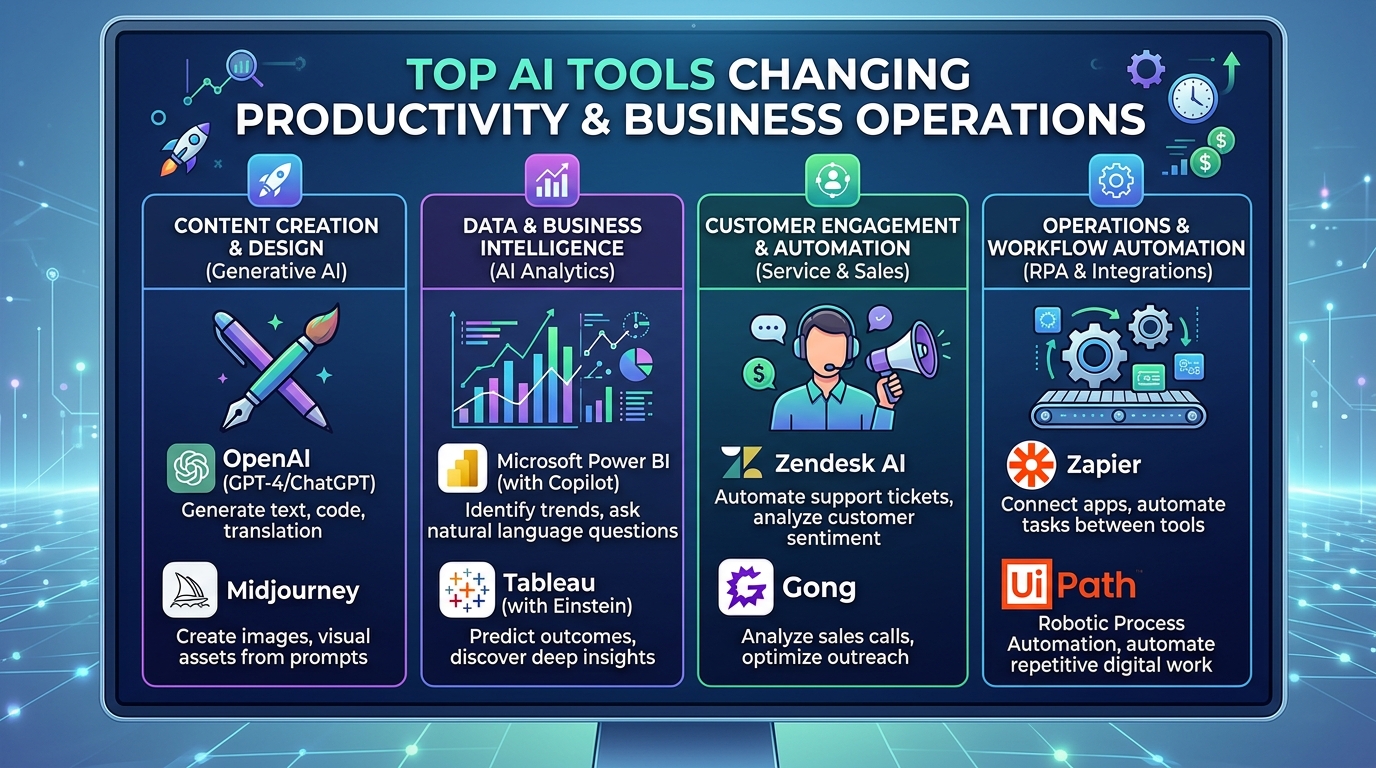
The safe automation zone has a clear shape: high volume, low emotion, verifiable answers. Order and delivery status. Appointment booking, changes and reminders. Password and account recovery flows. Product specifications and compatibility questions. Returns eligibility checks that follow published rules. First-line troubleshooting with a scripted decision tree (“have you tried the restart?”) that escalates cleanly when the tree runs out. If a question has one correct answer that a system can look up, the bot should answer it — instantly, cheerfully, and with a visible door to a human standing right next to it.
What They Should Never Handle Alone
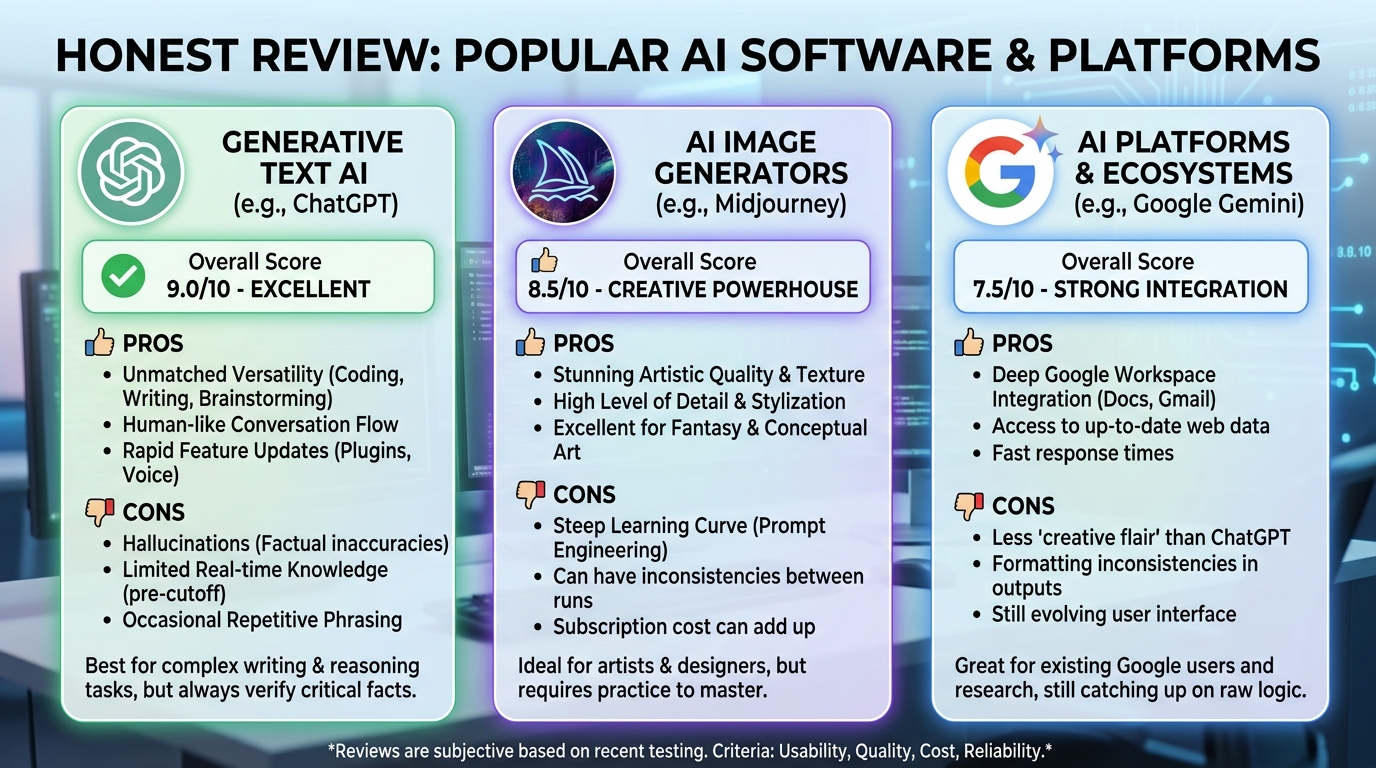
The danger zone is equally clear: high emotion, high stakes, or ambiguity. Complaints from angry customers — a bot’s scripted empathy reads as mockery to someone already furious. Bereavement, medical, legal and financial-hardship cases, where the correct response is judgement, not retrieval. Anything involving exceptions to policy, because exceptions are where loyalty is won and bots are built to say no uniformly. And vulnerable customers, who may not realise they are talking to software. The rule for drawing the line: if a wrong answer costs the customer money, dignity or safety, a human owns the conversation — the bot may prepare it, never conduct it. The same balanced view applies across AI tooling, as our comparison of AI writing assistants found: the tools are superb inside their competence and costly outside it.
The Handoff Is the Whole Game
Customers do not hate chatbots; they hate chatbot prisons. The experience that generates rage is specific and avoidable: no visible exit, the bot looping its misunderstanding, and a human who finally arrives knowing nothing of the conversation. Design the escape first — a persistent “talk to a person” option, automatic escalation after two failed attempts or any detected frustration, and full context passed to the agent so the customer never repeats themselves. Measure the handoff rate proudly, not defensively: a bot that resolves 60% and gracefully escalates 40% is a triumph; one that “contains” 90% by trapping people is a churn machine with good dashboard numbers.
Training, Tone and the Honesty Rules
A chatbot is only its knowledge base with a voice. Feed it the real help centre, the real policies, and — critically — the real answers to the questions customers actually ask, mined from your ticket history. Keep the knowledge current or the bot will confidently cite last year’s policy, which is worse than silence. Set the tone deliberately: brief, warm, and never pretending to be human. Disclosure is both an ethical duty and good business — customers forgive a bot its limits when it admits them (“I’m an automated assistant; here’s what I can do”) and punish deception when the typing indicator slips. Confidence must be earned per answer: when the bot is unsure, the correct sentence is “let me bring in a person”, not a guess in a friendly font.
Measuring Success Without Lying to Yourself
Deflection rate — the share of chats the bot closes — is the industry’s favourite vanity metric. Replace it with outcomes: resolution confirmed by the customer, time-to-resolution against the old queue, repeat-contact rate within a week (the truth serum of support metrics), and satisfaction measured after the conversation, not during it. Track the escalations for patterns: every cluster of handoffs on one topic is either a knowledge gap to fill or a policy your customers hate, and both discoveries are worth money. Review real transcripts monthly. The bot your dashboard describes and the bot your customers meet are often two different products; transcripts are where they reconcile.
A Sane Rollout Plan
Launch narrow and expand on evidence. Week one: the bot answers your ten most frequent questions, with a human escape hatch in bold. Month one: review every transcript, fix the knowledge gaps, add the next ten questions. Quarter one: connect the systems that make answers real (order lookup, booking changes) rather than merely verbal. Never launch with the goal of reducing headcount on a date; launch with the goal of answering instantly what should be instant and routing wisely what should be human. Teams that deploy this way end up with both happier customers and, paradoxically, support staff who stay — because the job left to them is the interesting part.
The Bottom Line
AI chatbots earn their place by doing the instant, repetitive and verifiable better than any queue ever could — and they destroy trust the moment they are used as a wall between customers and help. Automate the answers, humanise the exceptions, build the escape hatch first, and measure resolution instead of deflection. Deployed with that discipline, the little bubble in the corner becomes what it always should have been: the fastest route to the right answer, human or otherwise.