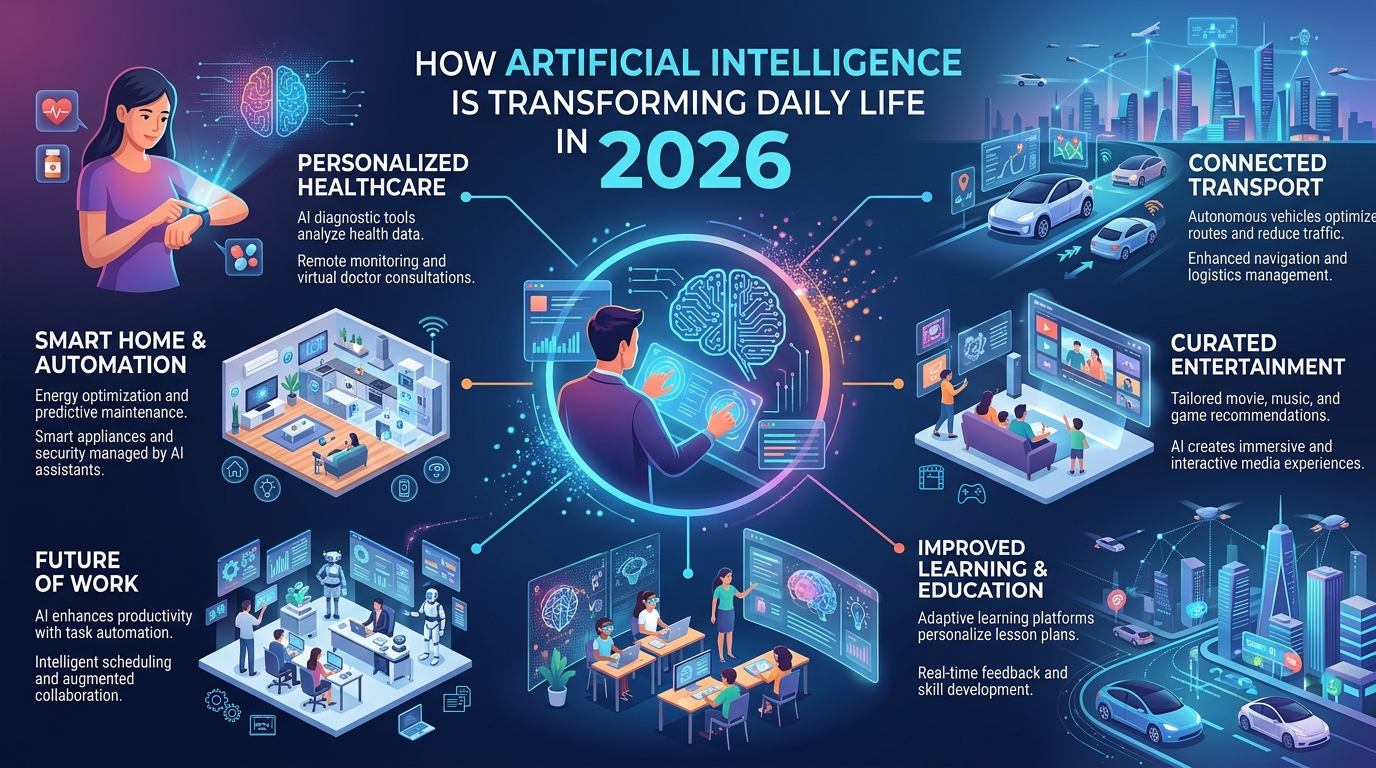

Artificial Intelligence has become a fundamental part of modern life in 2026, shaping how people interact with technology in both personal and professional environments. What once seemed like an advanced concept is now deeply integrated into everyday tools such as smartphones, online services, and smart devices. AI is not only improving efficiency but also changing how decisions are made, tasks are managed, and information is processed.
As technology continues to evolve, Artificial Intelligence is helping create more intelligent systems that can learn, adapt, and respond to user needs. Its growing presence across different sectors shows that AI is no longer optional but an essential component of digital transformation in today’s world.
Role of Artificial Intelligence in Everyday Activities
Artificial Intelligence plays a major role in simplifying daily activities by automating routine tasks. From managing schedules to providing search results and recommendations, AI reduces the need for manual effort and speeds up everyday processes. This allows users to complete tasks more efficiently and with less time.
In addition, AI systems are designed to understand user behavior and preferences over time. This enables them to deliver more personalized experiences, making digital tools more responsive and relevant to individual needs. As a result, everyday interactions with technology become smoother and more intuitive.
Impact of AI on Work and Productivity
AI has significantly transformed workplaces by improving productivity and streamlining operations. Many businesses now rely on AI-powered tools to handle repetitive tasks such as data entry, analysis, and workflow management. This reduces the workload on employees and allows them to focus on higher-level responsibilities.
Moreover, AI helps improve accuracy and reduces the chances of human error. By automating complex processes and providing data-driven insights, it supports better decision-making. This leads to improved efficiency and more effective use of time and resources in professional environments.
AI in Communication and Digital Interaction
Artificial Intelligence has changed the way people communicate in digital spaces. Technologies such as chatbots and virtual assistants are now widely used to provide instant responses and support. These systems help improve communication by making it faster and more efficient.
In addition, AI enhances user interaction by understanding context and delivering more accurate responses. This is especially useful in customer support, where quick and reliable communication is essential. Overall, AI is making digital communication more intelligent and user-friendly.
Use of AI in Smart Devices and Automation
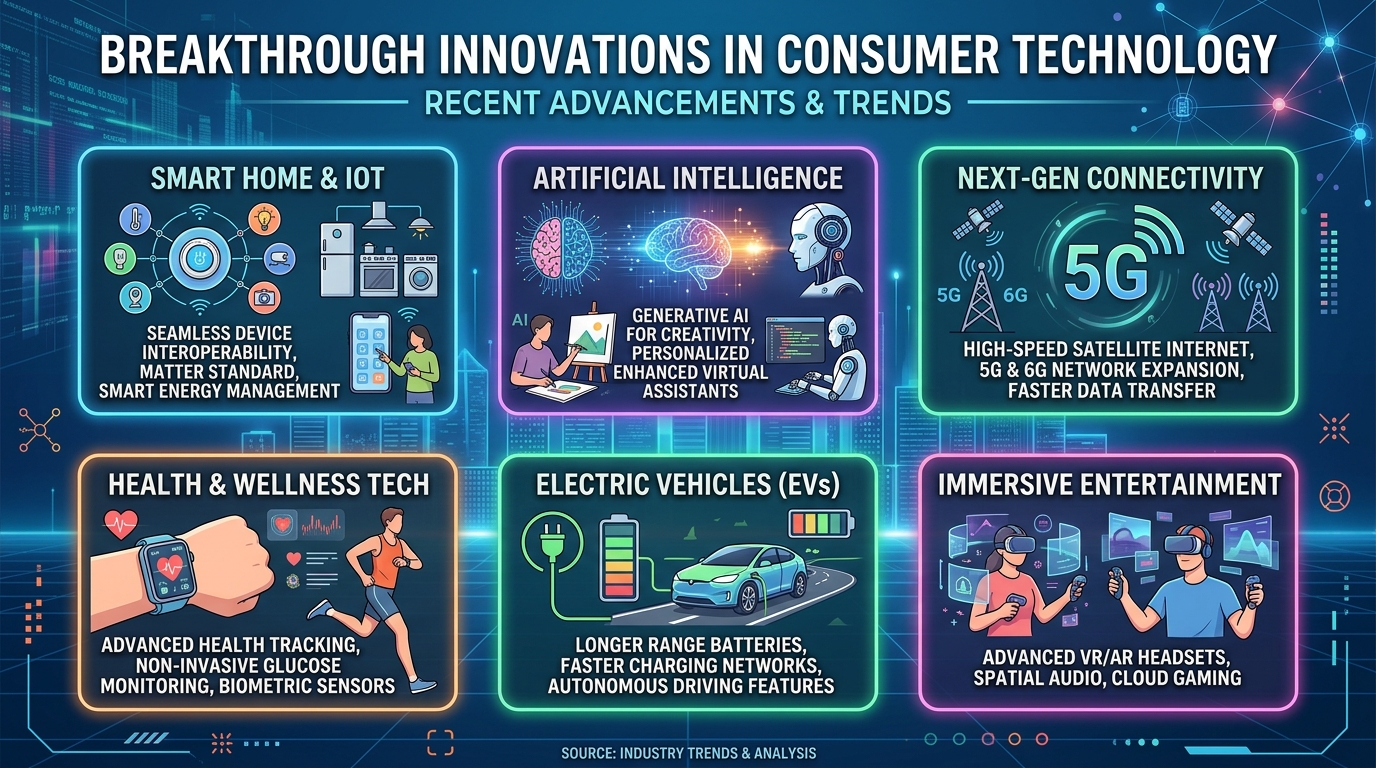
Smart devices powered by AI are becoming increasingly common in everyday life. Devices such as smartphones, smart home systems, and wearable technology use AI to perform tasks automatically based on user behavior. This level of automation improves convenience and reduces the need for constant manual control.
AI also allows devices to learn and adapt over time. For example, smart systems can adjust settings based on user preferences, creating a more personalized and efficient environment. This makes technology more supportive and easier to use in daily life.
Challenges and Limitations of Artificial Intelligence
Despite its many advantages, Artificial Intelligence still has certain challenges and limitations. One major issue is its dependence on data. If the data used is inaccurate or incomplete, the results produced by AI systems may also be unreliable. This highlights the importance of proper data management.
There are also concerns related to privacy and ethical use. As AI systems collect and process large amounts of data, it becomes important to ensure that user information is handled securely. Addressing these challenges is essential for building trust and ensuring responsible use of AI.
FAQ’s
What is Artificial Intelligence in simple terms
Artificial Intelligence is technology that enables machines to perform tasks that normally require human intelligence, such as learning, analyzing, and making decisions.
How is AI used in daily life
AI is used in mobile apps, smart devices, online services, and automation systems to improve efficiency and user experience.
Does AI improve productivity
Yes, AI helps automate repetitive tasks, reduces errors, and allows people to focus on more important and creative work.
Are there risks in using AI
Yes, risks include data privacy concerns, dependence on accurate data, and ethical challenges in how AI is used.
Will AI continue to grow in the future
Yes, Artificial Intelligence is expected to continue growing and becoming more advanced across different industries.
Conclusion
Artificial Intelligence is transforming daily life by improving efficiency, automation, and digital interaction. Its integration into everyday tools and systems has made technology more intelligent and responsive. While challenges such as data privacy and ethical concerns still exist, the overall impact of AI continues to grow. As development continues, AI will play an even more important role in shaping the future of technology and everyday living.