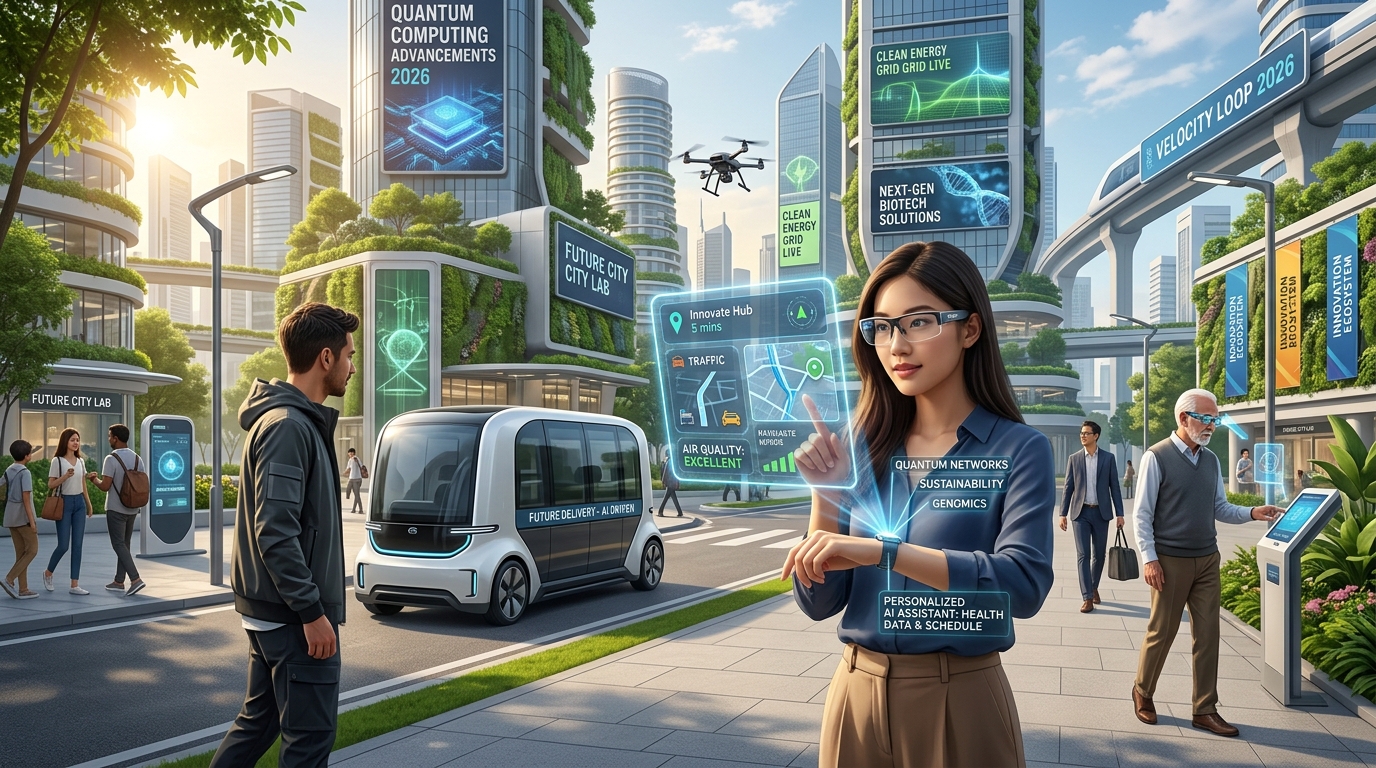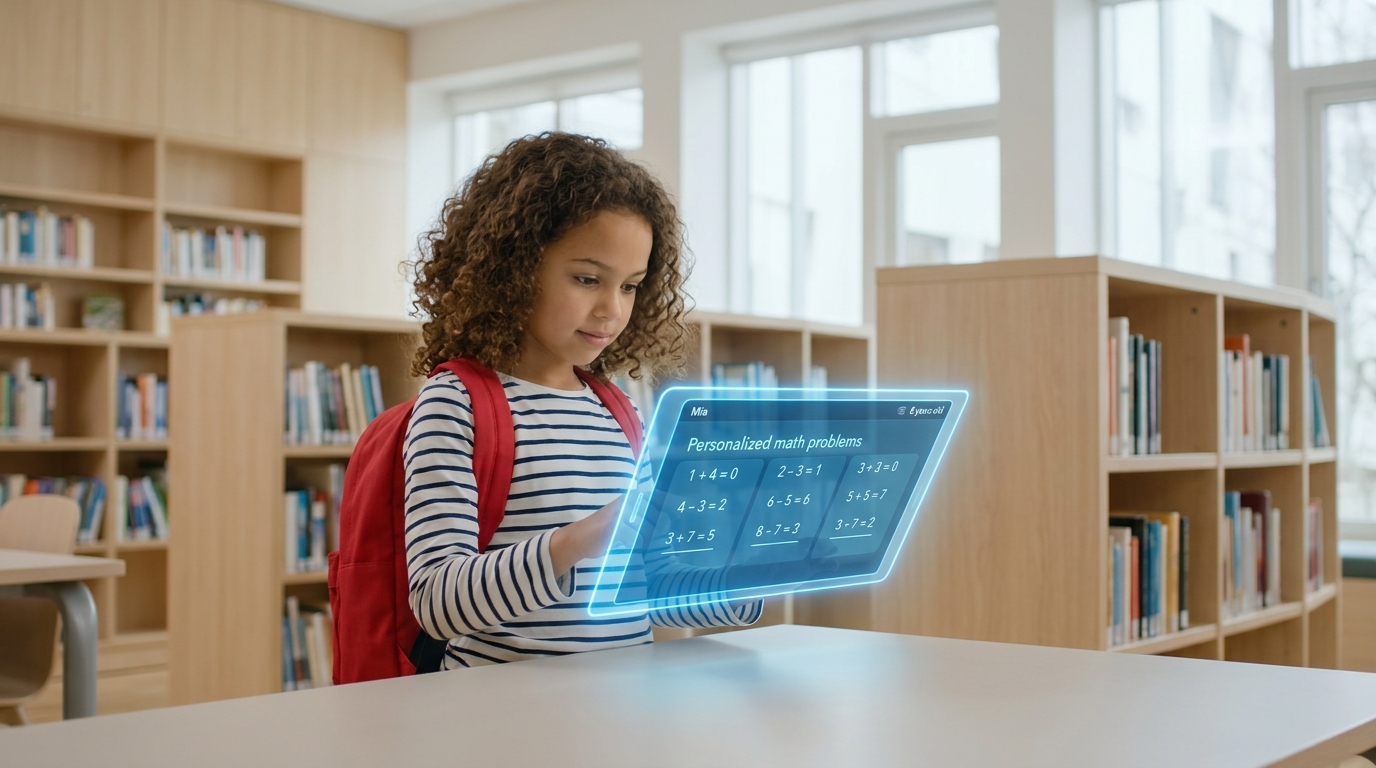

Artificial Intelligence is playing an increasingly important role in education and learning in 2026. It is transforming traditional methods of teaching by introducing smarter systems that can adapt to individual learning needs. From personalized study plans to automated assistance, AI is helping both students and educators improve the overall learning experience.
As digital education continues to grow, AI is making learning more accessible, efficient, and flexible. Its ability to analyze data and understand user behavior allows it to create a more structured and effective educational environment.
Personalized Learning Experience Through AI
One of the biggest benefits of Artificial Intelligence in education is personalized learning. AI systems can analyze how a student learns and adjust content accordingly. This allows each learner to progress at their own pace without feeling overwhelmed or left behind.
Personalized learning also helps students focus on areas where they need improvement. By adapting to individual strengths and weaknesses, AI creates a more effective and engaging learning experience.
Improving Teaching Efficiency for Educators
AI is not only beneficial for students but also for teachers. It helps educators manage tasks such as grading, scheduling, and content organization more efficiently. This reduces workload and allows teachers to focus more on teaching and student interaction.
In addition, AI tools provide insights into student performance, helping teachers understand learning patterns. This allows them to adjust teaching methods and improve overall classroom effectiveness.
Enhancing Access to Education
Artificial Intelligence is making education more accessible to a wider audience. Online learning platforms powered by AI allow students to access educational content from anywhere at any time. This removes geographical and time limitations.
This increased accessibility is especially important for students who may not have access to traditional education systems. AI helps bridge this gap by providing flexible learning opportunities.
Supporting Smart Learning Tools and Systems
AI is widely used in developing smart learning tools such as virtual tutors, interactive platforms, and automated support systems. These tools provide instant feedback and help students solve problems more efficiently.
Smart systems also make learning more interactive and engaging. By combining technology with education, AI helps create a more dynamic and effective learning environment.
Challenges of Using AI in Education
Despite its benefits, AI in education also comes with challenges. One major concern is the reliance on technology, which may reduce human interaction in the learning process. This can affect communication and social development.
There are also issues related to data privacy and system accuracy. Educational institutions must ensure that AI systems are used responsibly and that student data is protected.
FAQ’s
How does AI improve education
AI improves education by personalizing learning, automating tasks, and providing better access to educational resources.
Can AI replace teachers
No, AI supports teachers by handling tasks and providing insights, but it cannot replace human teaching.
Is AI learning better than traditional learning
AI enhances traditional learning by making it more flexible and personalized.
What are the risks of AI in education
Risks include reduced human interaction, data privacy concerns, and dependence on technology.
Is AI education accessible to everyone
AI helps improve accessibility, but availability depends on technology access and resources.
Conclusion
Artificial Intelligence is transforming education by making learning more personalized, accessible, and efficient. It supports both students and educators by improving teaching methods and simplifying processes. While there are challenges to consider, the overall impact of AI in education continues to grow, shaping the future of learning in a more advanced and flexible way.