
Artificial intelligence has quietly moved from research labs into the apps you open every morning. The most important artificial intelligence trends are not the flashiest demos; they are the practical changes making software faster, more personal, and more capable on ordinary devices. Understanding where this technology is heading helps you choose better tools today and prepare for how work, entertainment, and communication will change tomorrow.
On-Device AI Gets Faster and More Private
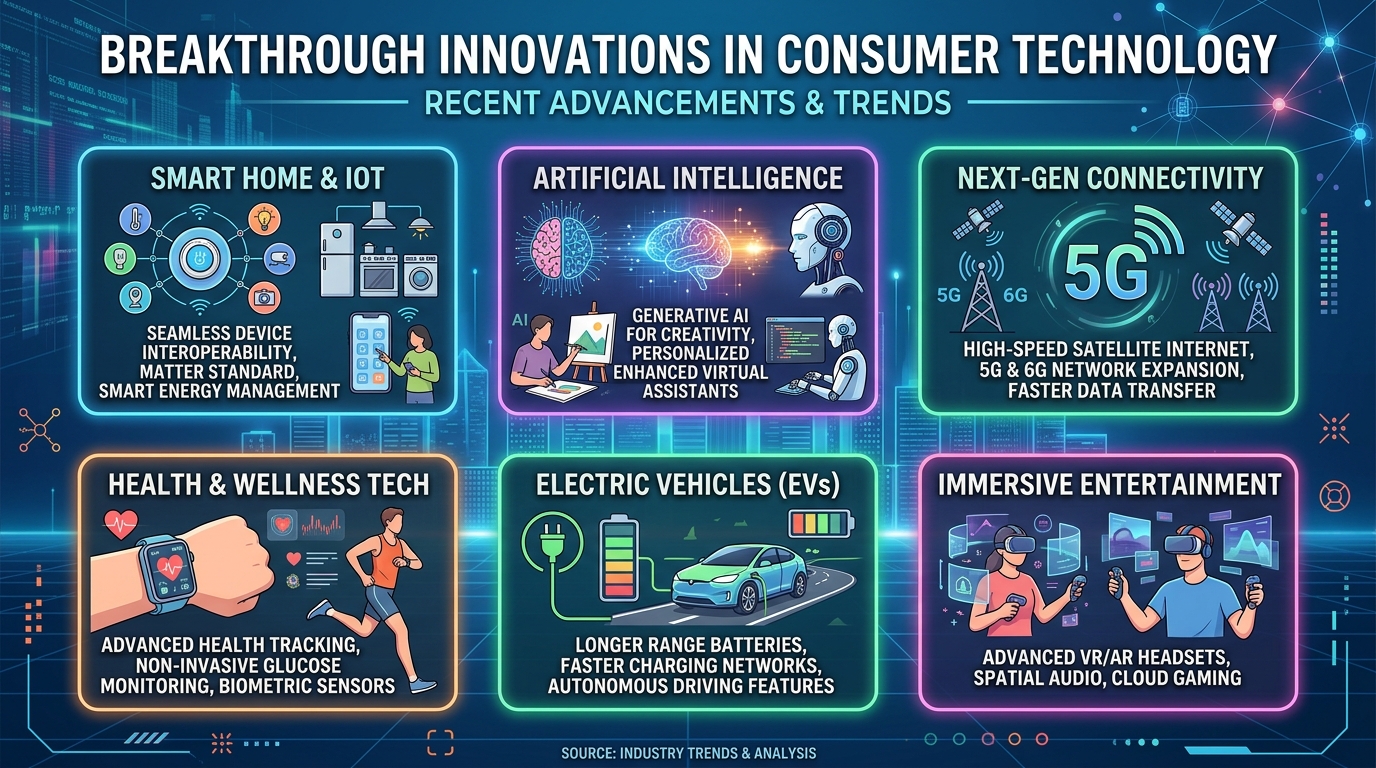
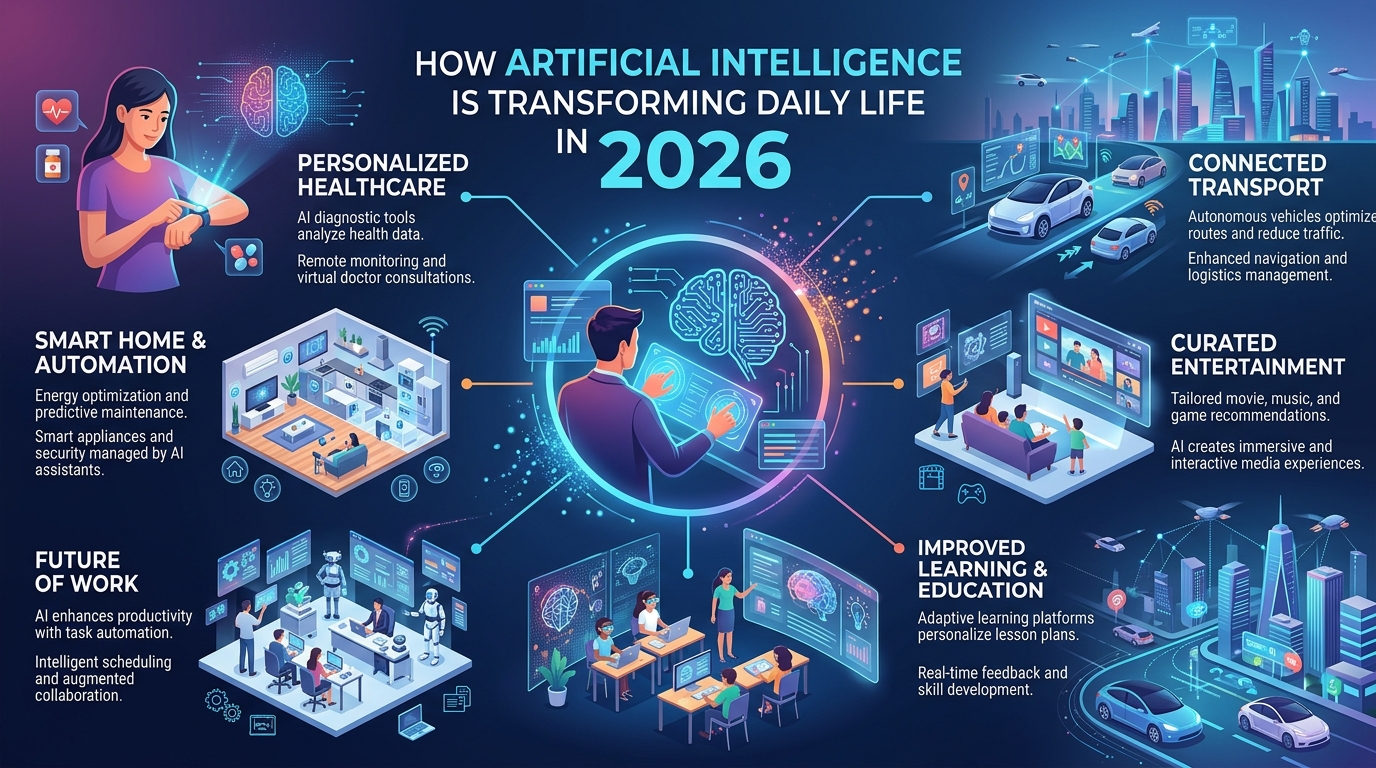
One of the biggest artificial intelligence trends is the shift from the cloud to your own device. Modern phones and laptops now ship with dedicated AI chips that handle translation, photo enhancement, voice recognition, and text suggestions locally. Results arrive instantly, work without an internet connection, and keep your personal data on hardware you control.
This matters beyond convenience. Health apps can analyze patterns without uploading sensitive records, and keyboards can learn your writing style without sending every keystroke to a server. As chips improve, expect more of your daily software to feel instant and personal at the same time.
Expect the interface itself to keep changing. Software is moving from menus you navigate to outcomes you request, where you describe the result you want and the system figures out the steps. Early versions feel magical when they work and frustrating when they guess wrong, which is why the best products keep a human approval step for anything important. Learning to supervise these systems, checking their work the way a manager checks a report, is quickly becoming a core digital skill for every profession, not just technical ones.
Assistants That Actually Do Things
Voice assistants once set timers and told the weather. The new generation books appointments, summarizes long documents, drafts messages in your tone, and chains several steps together from a single request. The shift is from answering questions to completing tasks, and it changes how people interact with software entirely.
Businesses are adopting these tools fastest for support, scheduling, and research. For individuals, the winning habit is delegation: hand the assistant your repetitive digital chores, review its work, and spend the saved time on decisions only you can make.
Education shows the human side of this transformation particularly well. Tutoring systems now adapt exercises to each student’s pace, flagging the exact concept a learner misunderstood instead of simply marking an answer wrong. Language learners practice conversation with tireless partners, and teachers receive summaries of where a whole class is struggling before the exam reveals it. None of this replaces a good teacher; it removes the repetitive parts of teaching so the human parts, encouragement, judgment, and inspiration, get more time. Schools adopting these tools thoughtfully report the same pattern found in offices and studios: the technology handles volume, people handle meaning, and the combination outperforms either one working alone.
AI for Real-Time Data and Decisions
Another defining trend is AI applied to live, fast-moving information. Traders and hobbyists alike now use tools that scan markets continuously; knowing how to track ever-changing crypto news and prices in one place has become essential as prices and headlines shift by the minute. Similar systems now monitor weather, logistics, and even traffic in real time.
Sports is a vivid example of the same pattern. Analytics platforms digest player movement and match data to produce insights coaches once needed weeks to compile, which is why a tactical breakdown of a versatile player like Jurriën Timber can now draw on detailed performance data rather than opinion alone.
Creative Tools for Everyone
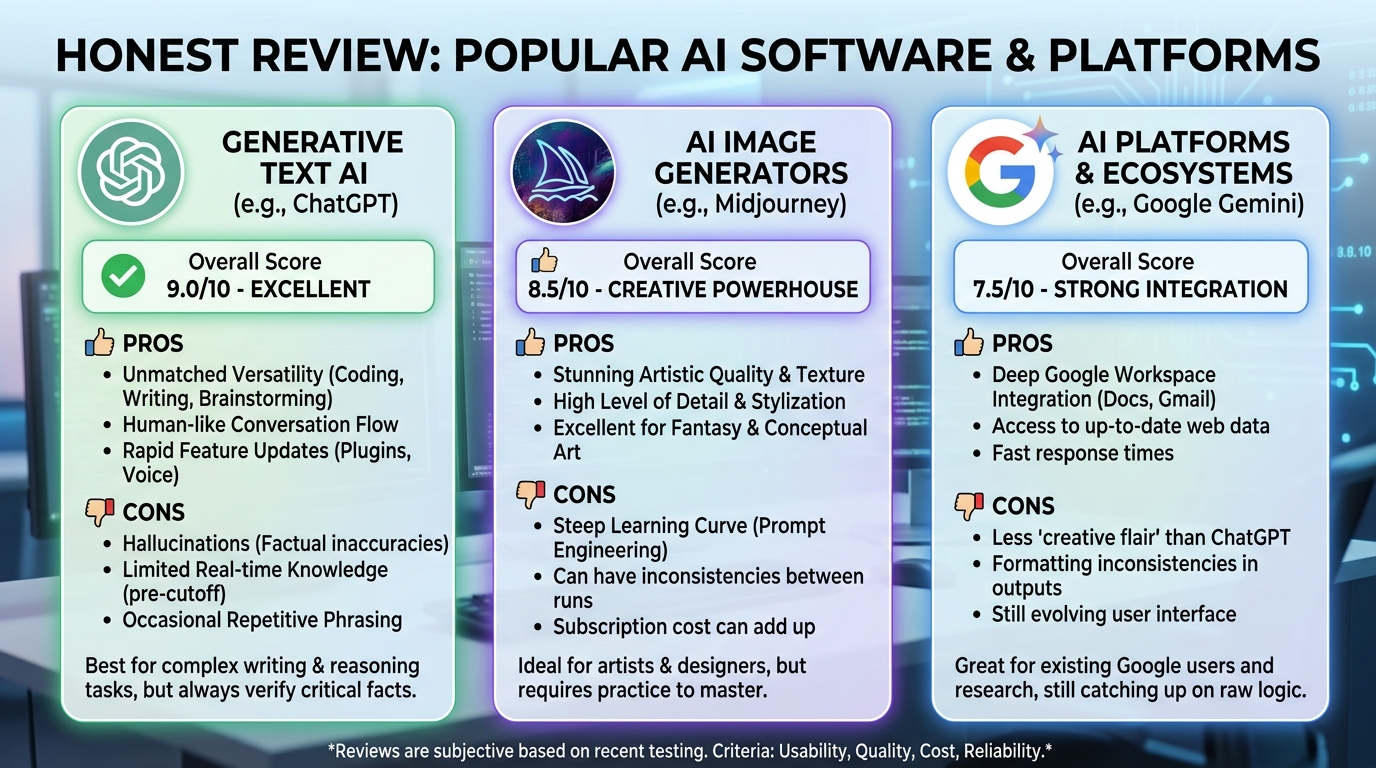
Generative tools have collapsed the distance between an idea and a first draft. Writers outline articles, designers mock up concepts, musicians sketch melodies, and small businesses produce marketing visuals that once required an agency. Used well, these tools handle the blank-page problem so humans can focus on taste, editing, and originality.
The skill that matters is direction: describing clearly what you want, judging what the tool returns, and refining it. People who treat AI output as a rough draft to improve consistently produce better work than those who publish it untouched.
Trust, Safety, and the Rules Catching Up
As these systems grow more capable, questions of trust grow with them. People want to know when they are looking at machine-generated content, how their data is being used, and who is responsible when an automated system makes a costly mistake. Clear labeling of AI-generated material, stronger privacy controls, and audit trails for important decisions are all moving from nice ideas to expected features, and regulators in many countries are beginning to require them.
For everyday users, the practical response is healthy skepticism paired with curiosity. Verify important claims an AI makes, especially about health, money, and news, using a second trusted source. Keep humans in charge of final decisions that carry real consequences. The technology will keep improving, but the habit of checking its work will remain valuable in every version of the future, because even excellent tools deserve supervision when the stakes are real.
What These Trends Mean for You
Following artificial intelligence trends is not about buying every new tool. It is about recognizing which changes genuinely help: faster on-device features, assistants that complete real tasks, smarter handling of live data, and creative tools that amplify your ideas. Try one improvement at a time, measure whether it saves time or improves quality, and keep what works.
The direction is clear. AI is becoming a standard layer inside everyday software rather than a separate destination. Those who learn to direct it well will work faster and create more, while barely noticing the technology itself, which is exactly how the best tools have always behaved.
The pace of change can feel overwhelming, but it helps to remember that every previous wave of technology, from the personal computer to the smartphone, followed the same pattern: breathless predictions, uneven early products, and then quiet, total integration into ordinary life. AI is simply moving through that pattern faster than its predecessors did, which makes calm observation and patient judgment more valuable, not less, for everyone trying to plan sensibly ahead in daily life.