
Introduction
Safety is one of the most important aspects of any workplace, construction site, industrial facility, laboratory, warehouse, or even home workshop. Every year, thousands of accidents occur because proper safety equipment is either unavailable, poorly maintained, or used incorrectly. The right safety equipment can significantly reduce injuries, protect workers from hazards, and create a safer environment for everyone.
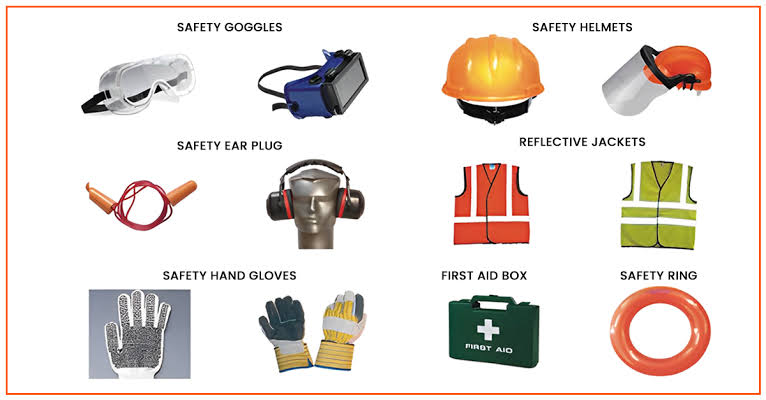
Best Safety Equipments refers to the wide range of personal protective equipment (PPE), safety tools, and protective systems designed to safeguard individuals from workplace dangers. These products include safety helmets, gloves, goggles, respiratory masks, ear protection, safety shoes, reflective clothing, harnesses, and many other protective solutions. Whether someone works in construction, manufacturing, healthcare, oil and gas, transportation, or maintenance, safety equipment plays a critical role in minimizing risks.
For beginners, understanding safety equipment can seem overwhelming because there are many types, standards, and usage requirements. However, learning the basics helps individuals make informed decisions and stay protected during daily activities. This comprehensive guide explains everything you need to know about Best Safety Equipments, including their importance, selection process, usage methods, benefits, risks, common mistakes, expert tips, and frequently asked questions. By the end of this guide, you will have a clear understanding of how safety equipment contributes to a safer and more productive environment.
What is Best Safety Equipments?
Best Safety Equipments refers to high-quality protective gear and safety devices designed to protect people from workplace hazards, accidents, injuries, and health risks. These products are developed according to safety standards and are intended to reduce exposure to dangerous conditions that may exist in various industries.
Safety equipment includes personal protective equipment such as helmets, gloves, goggles, safety footwear, face shields, respirators, earplugs, and protective clothing. It also includes fall protection systems, emergency response equipment, warning signs, first aid kits, and fire safety devices. The purpose of these products is to create multiple layers of protection between workers and potential hazards, ensuring safer working conditions and improved occupational health.
Why is Best Safety Equipments Important?
Safety equipment is important because it serves as the first line of defense against workplace hazards. Employees often work in environments where they face risks such as falling objects, sharp tools, hazardous chemicals, excessive noise, airborne contaminants, electrical systems, and extreme temperatures. Proper safety equipment helps reduce the chances of serious injuries and long-term health problems.
Beyond personal protection, safety equipment contributes to organizational success. Businesses that prioritize workplace safety often experience fewer accidents, lower medical expenses, improved employee morale, higher productivity, and better compliance with legal regulations. Investing in quality safety equipment demonstrates responsibility and commitment to employee well-being, making it an essential component of every workplace safety program.
Detailed Step-by-Step Guide
Step 1: Identify Workplace Hazards
The first step in selecting safety equipment is identifying potential hazards in the work environment. Conduct a thorough risk assessment to determine the types of dangers workers may encounter. Hazards may include physical, chemical, biological, electrical, ergonomic, or environmental risks.
A detailed hazard assessment helps organizations understand where protective equipment is required and what level of protection is necessary. This ensures that employees receive equipment specifically designed for their work conditions.
Step 2: Determine the Required Protection
After identifying hazards, determine the level of protection needed for each task. Different jobs require different forms of safety equipment. For example, construction workers may require hard hats and safety boots, while laboratory personnel may need chemical-resistant gloves and protective eyewear.
Understanding job-specific requirements helps eliminate unnecessary equipment while ensuring adequate protection against workplace risks.
Step 3: Choose High-Quality Safety Equipment
Always select equipment from trusted manufacturers that meet recognized safety standards. Quality products undergo rigorous testing and provide reliable protection in demanding conditions.
When choosing equipment, evaluate durability, comfort, fit, certification, and maintenance requirements. Poor-quality equipment may fail during critical situations and increase the risk of injury.
Step 4: Ensure Proper Fit and Comfort
Even the best safety equipment becomes ineffective if it does not fit correctly. Employees should receive equipment that matches their body size and work requirements.
Comfortable equipment encourages consistent use throughout the workday. Workers are more likely to wear protective gear when it fits properly and does not interfere with movement or productivity.
Step 5: Provide Employee Training
Training is essential for effective safety equipment use. Employees should understand when equipment is required, how to wear it correctly, how to inspect it, and how to maintain it.
Regular training sessions help reinforce safety procedures and reduce improper usage. Workers who understand the importance of protective equipment are more likely to follow safety protocols consistently.
Step 6: Conduct Regular Inspections
Safety equipment should be inspected frequently for signs of damage, wear, or deterioration. Broken straps, cracked helmets, damaged gloves, or expired respirators should be replaced immediately.
Routine inspections ensure equipment remains effective and compliant with workplace safety standards.
Step 7: Maintain and Store Equipment Properly
Proper maintenance extends the lifespan of safety equipment and preserves its protective capabilities. Equipment should be cleaned, repaired, and stored according to manufacturer recommendations.
Storage areas should be clean, dry, and protected from excessive heat, moisture, or contaminants that could compromise equipment performance.
Step 8: Replace Equipment When Necessary
No safety equipment lasts forever. Over time, wear and tear can reduce effectiveness. Organizations should establish replacement schedules based on manufacturer guidelines and workplace conditions.
Replacing outdated or damaged equipment helps maintain optimal protection and reduces accident risks.
Benefits of Best Safety Equipments
- Reduces workplace injuries and accidents.
- Protects employees from hazardous environments.
- Improves worker confidence and morale.
- Enhances workplace productivity.
- Supports compliance with safety regulations.
- Lowers medical and compensation costs.
- Reduces downtime caused by accidents.
- Promotes a strong safety culture.
- Protects against long-term health issues.
- Increases organizational reputation and credibility.
- Minimizes legal liabilities.
- Encourages employee retention and satisfaction.
- Improves emergency preparedness.
- Helps maintain operational efficiency.
- Supports sustainable workplace practices.
Disadvantages / Risks
- High-quality equipment may require significant investment.
- Improper usage can create a false sense of security.
- Some equipment may cause discomfort during extended use.
- Regular maintenance increases operational responsibilities.
- Equipment replacement can become costly over time.
- Poor-quality products may fail unexpectedly.
- Inadequate training reduces effectiveness.
- Improper storage may damage equipment.
- Non-compliance can lead to workplace accidents.
- Some workers may resist wearing protective gear.
Common Mistakes to Avoid
One of the most common mistakes is purchasing safety equipment based solely on price rather than quality. Cheap products may not meet safety standards and could fail during emergencies. Organizations should prioritize certified equipment that provides proven protection.
Another mistake is neglecting employee training. Even the most advanced safety equipment becomes ineffective if workers do not understand how to use it correctly. Regular training sessions, inspections, and safety audits help ensure equipment performs as intended and workers remain protected.
Many workplaces also fail to replace damaged equipment promptly. Continuing to use worn-out helmets, torn gloves, or expired respirators can significantly increase safety risks. Establishing replacement schedules and inspection programs helps maintain effective protection.
Ignoring comfort and fit is another major issue. Employees who find safety equipment uncomfortable may avoid wearing it consistently. Selecting properly fitted equipment improves compliance and overall workplace safety.
FAQs
1. What is the most important type of safety equipment?
The most important safety equipment depends on workplace hazards. However, commonly used protective gear includes helmets, safety glasses, gloves, respiratory protection, hearing protection, and safety footwear.
2. How often should safety equipment be inspected?
Safety equipment should be inspected before each use and undergo formal inspections according to workplace policies and manufacturer recommendations. Regular inspections help identify damage and ensure reliability.
3. Why is PPE important in the workplace?
Personal Protective Equipment (PPE) protects workers from injuries, illnesses, and hazardous exposures. It serves as a critical barrier between employees and workplace dangers.
4. Can safety equipment eliminate all workplace risks?
No. Safety equipment reduces risk but cannot eliminate every hazard. Effective workplace safety requires hazard control measures, training, supervision, and safe work practices in addition to protective equipment.
5. How do I know if safety equipment meets standards?
Check for certifications, compliance labels, and manufacturer documentation. Reputable products typically meet national and international safety standards established by recognized organizations.
6. When should damaged safety equipment be replaced?
Damaged safety equipment should be replaced immediately. Cracks, tears, broken components, excessive wear, or expired products may compromise protection and increase accident risks.
7. What industries require safety equipment?
Many industries require safety equipment, including construction, manufacturing, healthcare, transportation, mining, oil and gas, agriculture, warehousing, and emergency services.
8. How can businesses improve safety equipment compliance?
Businesses can improve compliance through regular training, comfortable equipment selection, safety awareness programs, management support, inspections, and clear workplace policies.
Expert Tips & Bonus Points
Always conduct a detailed risk assessment before selecting safety equipment. Understanding workplace hazards allows organizations to choose the most effective protective solutions for specific tasks and environments.
Invest in employee education and safety culture. Workers who understand the value of safety equipment are more likely to use it correctly and consistently. Encourage open communication about safety concerns and provide ongoing training opportunities.
Choose equipment that balances protection, comfort, and durability. Employees are more likely to wear equipment that fits properly and allows comfortable movement throughout the workday.
Create a preventive maintenance schedule for all safety equipment. Regular cleaning, inspections, repairs, and replacements help maintain effectiveness and reduce unexpected failures.
Stay updated on changing safety regulations and industry standards. New technologies and improved protective products continue to emerge, providing enhanced safety and performance.
Develop emergency response plans that include proper use of safety equipment. Preparedness helps organizations respond effectively during accidents, fires, chemical spills, or other emergencies.
Conclusion
Best Safety Equipments plays a vital role in protecting individuals from workplace hazards and promoting a culture of safety. From construction sites and manufacturing facilities to healthcare environments and home workshops, the right safety equipment significantly reduces the risk of injuries, illnesses, and accidents. By investing in quality protective gear, organizations can create safer workplaces while improving productivity, compliance, and employee satisfaction.
Understanding the purpose, selection, maintenance, and proper use of safety equipment is essential for beginners and experienced professionals alike. A successful safety program begins with hazard identification, followed by choosing appropriate equipment, providing training, conducting inspections, and ensuring timely replacement of damaged products. These practices help maximize protection and minimize workplace risks.
Although safety equipment requires investment and ongoing maintenance, the benefits far outweigh the costs. Fewer accidents, reduced healthcare expenses, improved employee morale, and stronger regulatory compliance make safety equipment an indispensable part of modern workplace operations. Organizations that prioritize safety not only protect their workforce but also strengthen their reputation and long-term success.
By following the guidance outlined in this article, individuals and businesses can make informed decisions about safety equipment and build safer, healthier, and more productive environments for everyone involved.